







Search Results for: high-sweetness water level
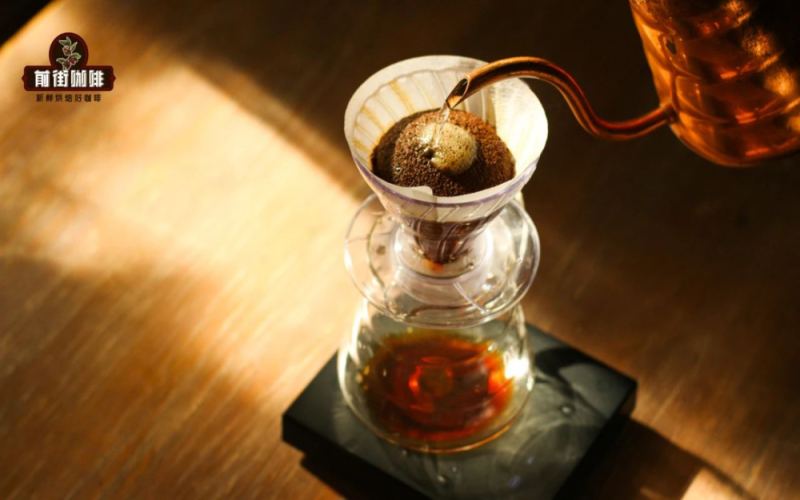
A Complete Guide to High-Sweetness Pour-Over Water Level Techniques: Staged Pouring Strategies and Recommended Sweet Arabica Beans
Want to brew a pour-over coffee with prominent sweetness and distinct layers? This article centers on the practical brewing technique of the "high-sweetness water level," explaining in detail its principles, applicable conditions, and key operating points, and clarifying why high-density light-roast beans are not suited to this method. It also shares Front Street Coffee's recommended floral and fruity Arabica single-origin beans and ideas for pairing them with a conical dripper, along with a complete three-pour parameter set and a hands-on demonstration, helping you achieve a richer coffee flavor experience with simple adjustments. [more…]
Espresso Single-Origin Beans | Is Espresso Bitter? Recommended High-Sweetness Espresso Beans for Americano and Latte
Many people think that the taste of espresso is only bitter, but in fact, as long as you choose the right coffee beans and control the extraction well, we can drink espresso with a sweet taste. Choosing a high-sweetness espresso bean: from the moment a coffee bean starts to be heated as a green bean until the end of roasting, sweetness is the first flavor to develop, and only afterward [more…]
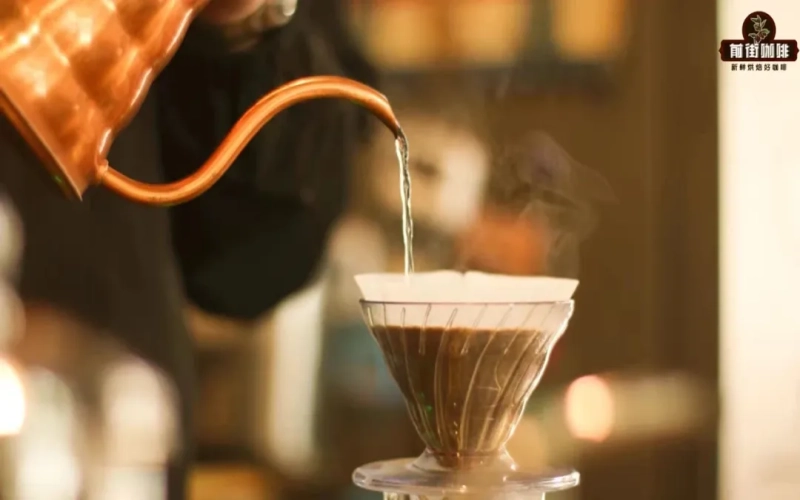
How Does Water Level in Pour-Over Coffee Shape Flavor: Explaining the Principles and Practical Points of a High-Sweetness Brewing Method
On various coffee-sharing platforms, the term "high water level" appears frequently, claiming that by controlling the water level height during brewing, coffee can be made to show a more prominent sweetness. Can the water level really dictate the flavor direction of a cup of coffee? This article will start from the coffee bed structure and extraction mechanism, analyze the respective advantages and applicable scenarios of high and low water levels, and give specific operational suggestions, including how high the coffee bed should be raised in the dripper, and how to reduce the difficulty of water control through pulse pouring and other practical techniques. It will also recommend Front Street series bean lists suitable for pursuing sweetness, helping you brew your ideal flavor with the right method. [more…]
Where does the sweetness in pour-over coffee come from? Medium roasts and honey-processed or natural beans are more likely to present it, with three high-sweetness beans from Front Street and one-pour over brewing parameters.
Many people are moved by a cup with pronounced sweetness when drinking pour-over coffee, yet where that sweetness actually comes from and what kind of beans are more likely to brew sweet are often overlooked. Green coffee beans themselves contain sugars and amino acids, which are transformed into the sweetness we perceive in the cup only after the Maillard reaction and caramelization during roasting. This article first sorts out the sources of coffee sweetness and its distribution in taste, then, starting from roast level and processing method, explains why medium-roast, honey-process, and natural beans tend to have more prominent sweetness, and recommends three high-sweetness beans: Front Street Colombia Sidra, Front Street Strawberry Candy, and Front Street Panama Butterfly. Finally, using Huakui as an example, it demonstrates how to brew sweetness with a water temperature of 94°C, a coffee-to-water ratio of 1:16, and a one-pour V60 method. [more…]
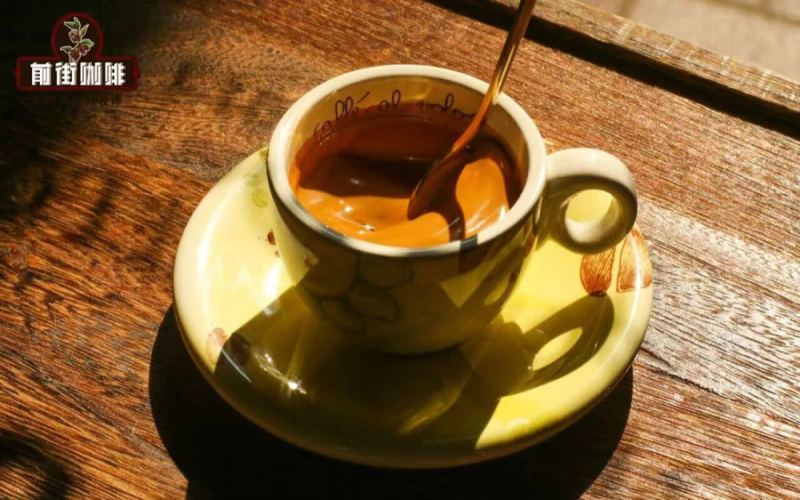
How to bring out sweetness in espresso? Five highly sweet espresso bean recommendations and key extraction operation points
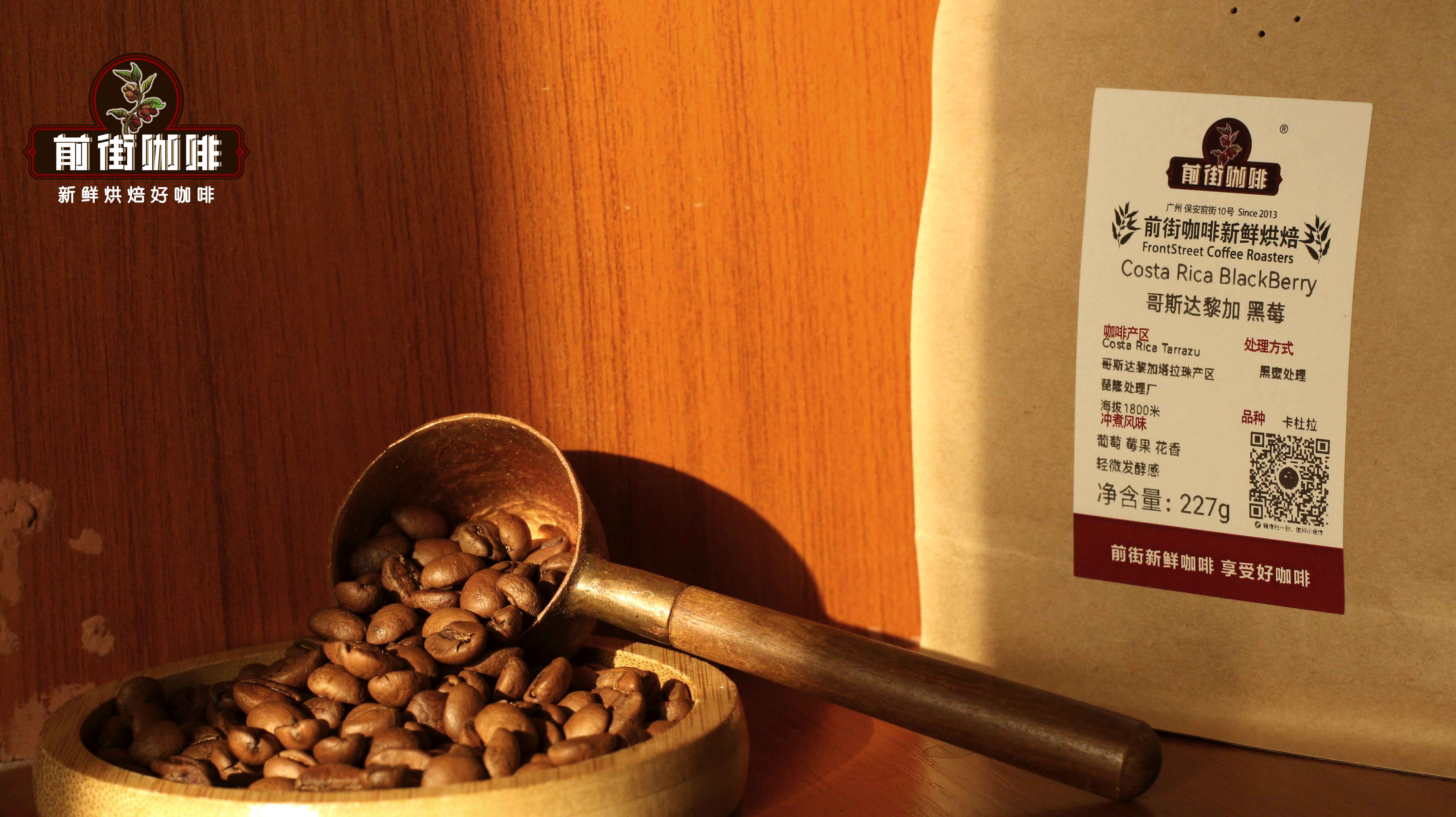
Many people's impression of espresso is that it is only strong and bitter, but with the right beans and properly controlled extraction parameters, sweetness can be clearly present in an Espresso. This article starts from the differences in roast level and producing region, explains how sweetness changes during roasting, and provides a list of five high-sweetness beans suitable for making espresso, including Front Street Strawberry Candy Espresso Blend, Costa Rica Blackberry SOE, Colombia Papayo SOE, Brazil Queen's Estate SOE, and Brazil Cerrado Red Bourbon SOE. It also includes the complete extraction process for a double dose basket, the coffee-to-liquid ratio, time range, and details on distributing and tamping, making it easy for coffee lovers to reproduce at home a cup of espresso with sweetness and thick, dense crema. [more…]
An Analysis of the Sources and Influencing Factors of Coffee Sweetness, and a Buying Guide for High-Sweetness, Low-Acidity Coffee Beans
The sweetness of coffee not only comes from taste, but is also closely related to the sweet aroma perceived through smell. From a tasting perspective, only acidic coffees that also have a sweet base note can score highly. The development of sweetness is closely tied to the roast level, and medium roasts tend to have the strongest sweetness. Ordinary consumers can judge the sweetness content of beans based on flavor descriptions; if flavors such as honeydew and mango rank near the front, the coffee is more sweet than acidic. This article explains in detail the sources of coffee sweetness, the impact of the three extraction stages on sweetness, and recommends several Front Street high-sweetness, low-acidity single-origin coffees. Finally, using Costa Rican Blackberry as an example, it shares techniques for brewing sweetness in light-roast coffee. [more…]
How to Make Espresso? The Complete Guide to Choosing Espresso Blend Beans with Prominent Sweetness
Espresso is not only bitter; the right bean selection and extraction can also deliver a captivating sweetness. Starting from roast level and regional characteristics, this article analyzes how sweetness develops in coffee and recommends five high-sweetness espresso beans, covering both blends and SOE. It then explains the steps for making espresso in detail, including dose, extraction ratio, time control, and operational details, helping you consistently replicate at home an espresso with pronounced sweetness and a velvety mouthfeel. [more…]
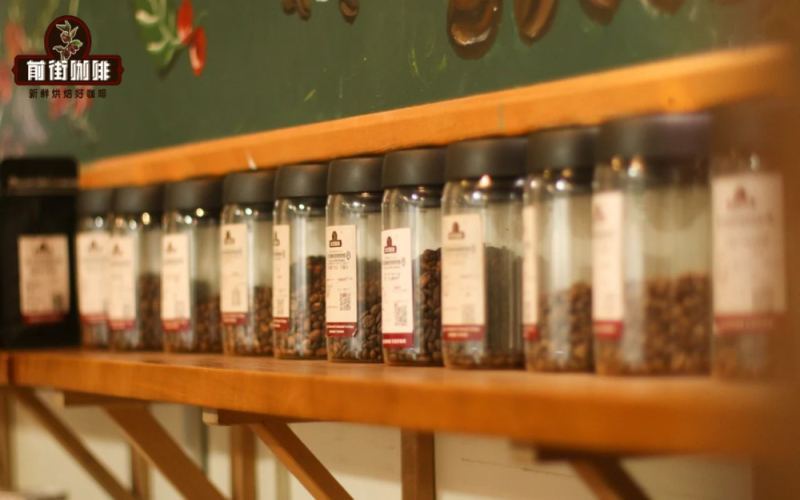
Unlocking the High-Sweetness Profile of Specialty Coffee: Key Factors Affecting Sweetness and Body in Arabica
In the world of specialty coffee, more and more people are starting to appreciate acidity, but what truly fascinates is the balanced flavor of sweetness within the acidity. Where do coffee's sweetness and body come from? How does roasting affect sweetness? And when brewing, how can you highlight the sweetness and suppress the bitterness? This article will guide you through the sources and influencing factors of coffee's sweetness, and using Front Street Coffee's Shiraz natural beans as an example, provide a detailed analysis of how to brew a cup of specialty coffee that is high in sweetness, low in acidity, and full-bodied through parameter adjustments and staged pouring techniques. Whether you are a beginner or a seasoned enthusiast, you will gain practical tips from it. [more…]

Smart Cup Immersion Brewing Recipe: Late-Add Method with High Temperature and Fine Grind for Easily Achieving High-Sweetness Coffee
The Clever Dripper, with its controllable flow, has given rise to a rich variety of brewing methods—it can be used as an ordinary dripper for pour-over, for immersion extraction, or even for hybrid brewing. This time, Front Street Coffee is sharing a Clever Dripper recipe from coffee guru James Hoffman, featuring a unique "reverse pouring method"—pour hot water first, then add the coffee grounds—paired with a finer grind and 95°C hot water, taking only three minutes total to easily produce an extremely sweet cup of coffee. This recipe is simple to execute, beginner-friendly, and also suits those who don't want to fuss with a complicated process. The article uses Front Street Coffee's Grana Estate · Geisha for demonstration and explains key parameters in detail, including coffee dose, ratio, grind, and immersion time. Finally, it includes an alternative method for when you don't have a Clever Dripper, making it highly practical. [more…]

Pour-Over Coffee Sweetness Enhancement Guide: The "High, Fine, Large, Fast" Four-Word Formula and the High-Concentration, Low-Extraction Approach for Dark Roasts
Most of the sugars in coffee beans have already been transformed and degraded during roasting, and the remaining sweet-tasting molecules are easily masked by flavors such as acidity and bitterness. In this article, Front Street will break down the underlying principles of high-sweetness extraction and explain in detail the four-character brewing formula of "fine, high, large, fast"—grinding finer, raising the water temperature, increasing the flow rate, and speeding up extraction—using medium-light roasted beans as the experimental subject, demonstrating step by step the specific parameters and techniques for each stage; for medium-dark roasted beans, which are loose in texture and cannot withstand aggressive extraction, the "high concentration, low extraction" approach is recommended, paired with a Kono dripper and a simple one-pour technique, which can likewise brew a cup of coffee with full sweetness and restrained bitterness. At the end, the article also introduces diverse extraction methods such as variable-temperature brewing, for enthusiasts to try freely. [more…]
High-Sweetness, Low-Acidity Single-Origin Pour-Over Beans | What Factors Affect Coffee Sweetness? 4 Recommended Specialty Pour-Over Beans with Pronounced Sweetness and Rich Fruity Aromas
When we say coffee is sweet, besides referring to the sweetness on the palate, we are actually also referring to the sweet aroma on the nose. So from a tasting perspective, only an acidic coffee with a sweet, fragrant base can be considered a high-scoring flavor experience, and to make coffee appropriately sweet and sour, roasting plays a key role. From the moment a coffee bean begins to be heated as green beans until [more…]
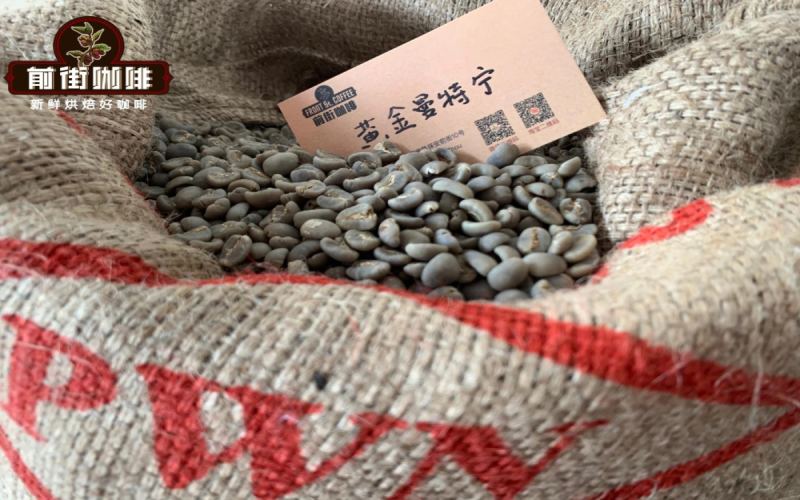
Dark Roast Coffee Pour-Over Tutorial | Can Adjusting Pour-Over Coffee Extraction Water Temperature and Grind Size Parameters Brew a High-Sweetness Indonesian PWN Golden Mandheling Black Coffee?
Mandheling coffee is one of Indonesia's most famous specialty coffees. Its uniqueness lies in the distinctive herbal aroma it carries—some say it's like cigars, some say spices, and some say fresh grass. A friend told Front Street Coffee that the Mandheling coffee they brew at home is only bitter, completely lacking the aroma they experience when drinking it in a café. [more…]
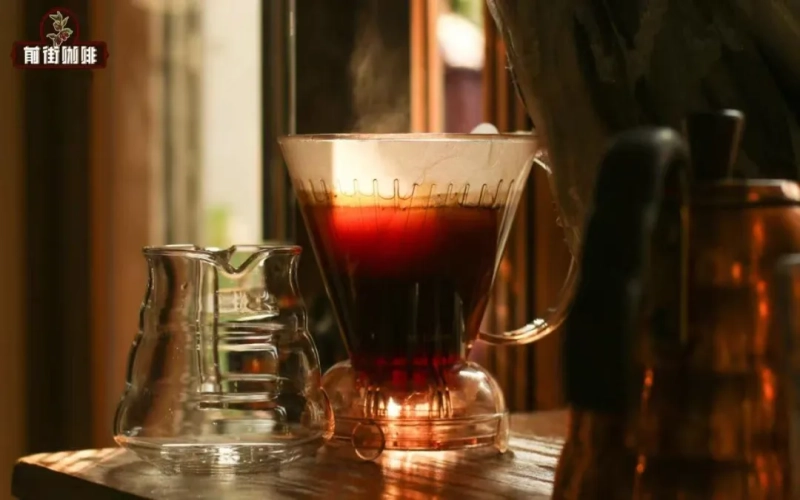
Analyzing the Differences Between the Hario Switch and the Mr. Clever Clever Dripper, and a Practical Guide to Brewing High-Sweetness Coffee with the Inverted Method
The Clever Cup, with its bottom valve design, allows even beginners to easily achieve professional-grade extraction, and is therefore known as the "beginner's coffee神器"[The Chinese text "新手咖啡神器" means "novice coffee miracle tool"; this has been rendered naturally in English as "beginner's coffee神器" to preserve the marker.] [more…]
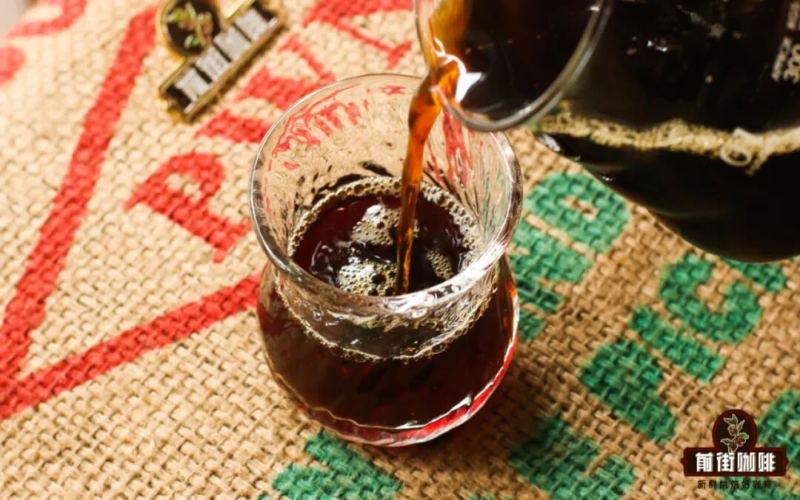
Iced Coffee Pour-Over | How to Make a High-Sweetness Iced Pour-Over with Dark Roast Coffee Beans? Introduction to the Brewing Parameters for Indonesian Golden Mandheling Iced Pour-Over Coffee
According to today's meteorological bureau report, the high temperatures in Guangdong will persist until around November. This means that for nearly two months to come, we still won't be able to do without the ultimate heat-relief weapon—iced coffee! So some friends, just like Front Street, after drinking too many sweet-and-sour light-roast iced coffees, sometimes want to switch to [more…]
Want a pour-over coffee that's strikingly sweet with gentle acidity? The sweetness sources in light-roasted Arabica beans and brewing tips
Many coffee enthusiasts hope that pour-over coffee can present a style full of sweetness and soft acidity, rather than being simply sharp and sour. So where does the sweetness in coffee actually come from? How does the degree of roasting affect the ratio of sweetness to acidity? In everyday brewing, what techniques should be used to amplify sweetness and suppress astringency? Starting from the laws of flavor development, this article will sort out the relationship between roasting and flavor description, and use a sun-dried bean as an example to break down in detail the complete approach to expressing a high-sweetness, low-acidity taste through parameters such as coffee-to-water ratio, water temperature, and staged pouring. [more…]
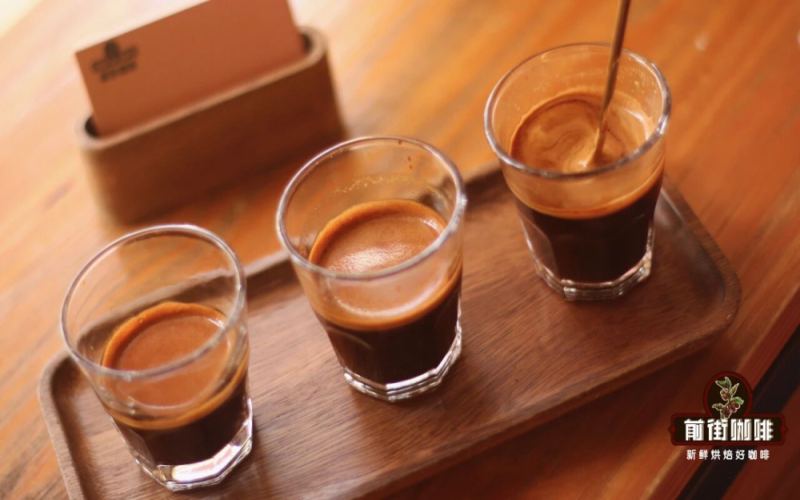
What coffee beans should you choose to make a sweet espresso? Three key points for buying espresso beans and four highly sweet espresso bean recommendations
To make a satisfying espresso at home, choosing the right coffee beans is often more important than technique. This article approaches the topic from three angles—brand, freshness, and roast level—to outline how to select espresso beans, and recommends four popular espresso beans with pronounced sweetness, including Front Street Strawberry Candy Espresso Blend, Front Street Costa Rica Blackberry SOE, Front Street Colombia Sidra SOE, and Front Street Brazil Queen's Estate SOE. Whether you prefer floral and fruity notes, a juicy mouthfeel, or nutty and chocolatey tones, you'll find the right direction here. [more…]
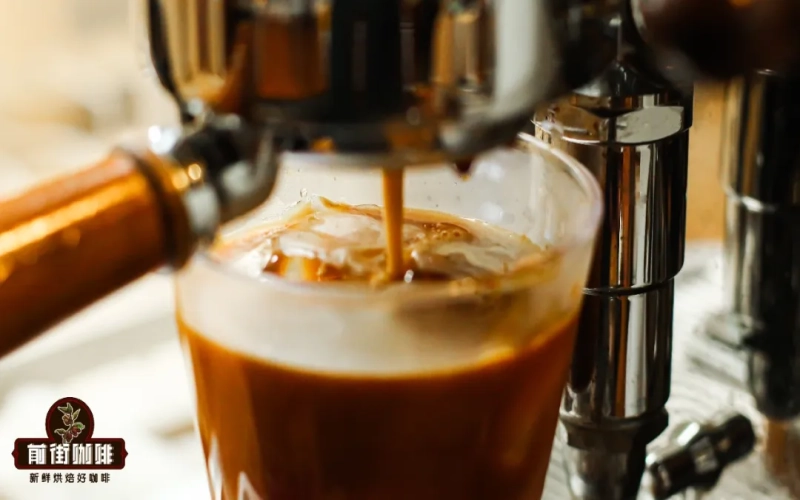
A Practical Guide to Dialing In Espresso: Key Techniques for Fixing Fast Flow and Weak Flavor
When making espresso at home, have you ever run into the problem of a fast flow and a weak, watery taste? Even if you follow a 1:2 coffee-to-water ratio, the result still lacks the rich, full-bodied mouthfeel of a coffee shop. The root cause is often an improper grind size, which leads to insufficient extraction efficiency. Starting from the underlying logic, this article will teach you how to quickly judge and adjust the grind size using just two core parameters—a 1:2 coffee-to-water ratio and a 30-second extraction time—so you can consistently extract a rich, intense espresso suitable for milk drinks. It will also discuss how roast level affects flavor and recommend high-sweetness, full-bodied espresso beans such as Front Street Coffee's signature blend, helping you easily master the art of dialing in your grinder. [more…]
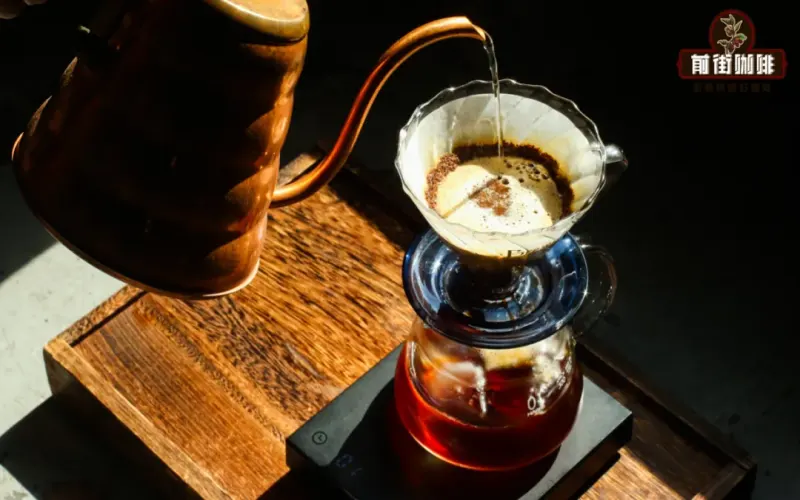
How to Bring Out Sweetness in Pour-Over Coffee? Analyzing Extraction Models and Adjustment Methods for Two Common Problems
The appeal of coffee's sweetness lies in its ability to trigger dopamine release, bringing a pleasurable sensation. But sweetness does not exist in isolation; it is a flavor that stands out after acidity and bitterness have been harmonized with each other. Starting from extraction models, this article explains the release patterns of sweet, sour, and bitter compounds at different stages, and points out that an ideal sweetness should pursue an extraction yield of 18% to 22%. It then addresses two common problems—over-extraction causing bitterness to suppress sweetness, and overly conservative brewing resulting in strong acidity and weak sweetness—and gives specific adjustment suggestions for water temperature, grind size, coffee-to-water ratio, and the number of pouring stages. The article also recommends several Front Street Coffee sweet-tasting bean lists at different roast levels for readers to refer to and choose from. [more…]
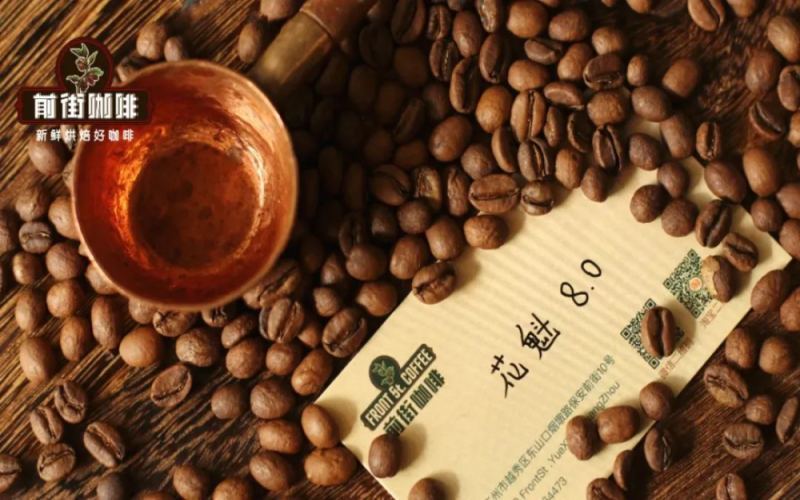
Can Huakui 8.0 Handle SOE? A Complete Practical Analysis from Extraction Parameters to Roast Profiles
The recently launched Ethiopian Huakui 8.0 from Front Street Coffee has become a daily staple for many coffee lovers thanks to its full fermented fruity aroma and the rich sweetness characteristic of natural-process beans, and it has also tempted players with home espresso machines to try their hand at recreating a cup of Huakui SOE latte or Americano. However, after many people directly applied single-origin beans to espresso extraction, they ran into disastrous results such as uncontrolled flow rate and sharp acidity. Is the problem with the equipment or the operation? Through repeated adjustments to grind size, dose, and liquid yield, and by trying two entirely new roasting curves, Front Street finally found the balance point that takes into account both the fruity aroma of the origin and the rich body of espresso. This article will present this exploration process in full, offering practical ideas for friends who love high-sweetness espresso. [more…]
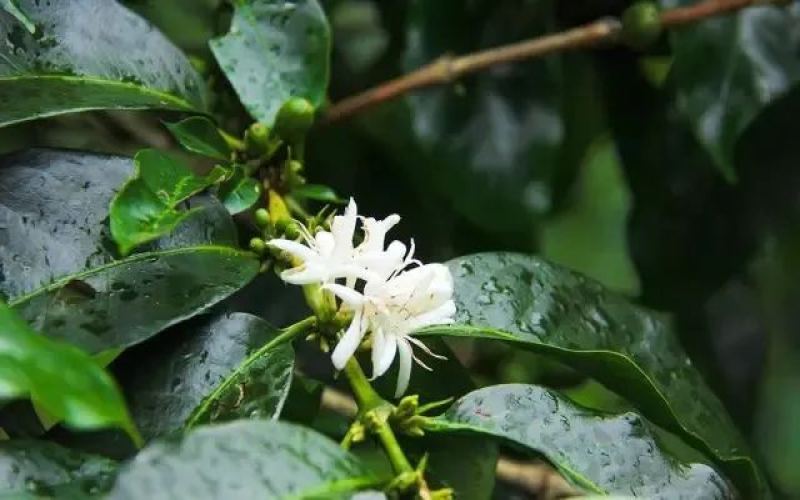
Why Are Panama Geisha Coffee Prices So High? A Full Analysis of Variety Characteristics, Growing Conditions, and Brewing
Geisha coffee, with its bright and complex floral and fruity aromas and high-sweetness fruit-toned profile, has become a benchmark variety in the specialty coffee world. From its discovery in the forests of Ethiopia to Hacienda La Esmeralda in Panama winning the 2004 BOP competition, Geisha's rise to fame has been full of legend. This article sorts through Geisha's varietal origins, its demanding requirements for high altitude and shade, the low yields and fragility that lead to its high price, and the market price differences between Hacienda La Esmeralda's auction-lot and Red Label/Green Label tiers. It also shares price information and pour-over brewing parameters for the Geisha currently sold at Front Street Coffee stores, helping coffee lovers gain a comprehensive understanding of this variety's unique value. [more…]